- All
- Product Name
- Product Keyword
- Product Model
- Product Summary
- Product Description
- Multi Field Search

Views: 0 Author: Site Editor Publish Time: 2026-06-19 Origin: Site
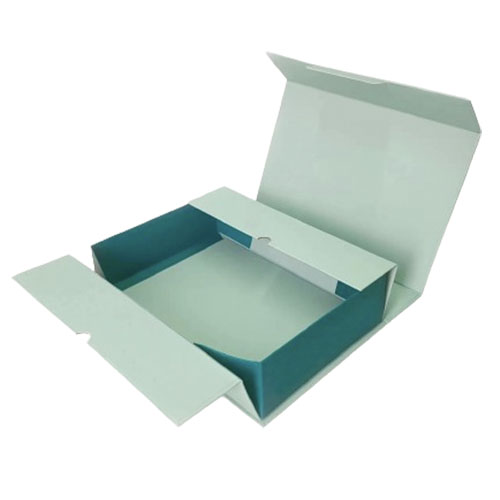
E-commerce brands face a constant, stubborn tension. They must balance beautiful visual branding against harsh transit survivability. Retail fulfillment demands both art and science. Flimsy boxes routinely fail during transit. Such failures trigger highly expensive reverse logistics. Product shrinkage severely hurts bottom-line margins. Buyers recognize a Folding Carton primarily for its brilliant retail display capabilities. Yet, it offers far more than just aesthetic appeal.
Engineered structural design transforms basic paper materials into rigid shields. Meticulous material selection and advanced barrier coatings add crucial defense layers. These elements allow primary packaging to serve as a robust protective layer. It actively guards your goods throughout the unpredictable shipping lifecycle. You will learn exactly how structural engineering prevents crush damage. We will explore how barrier coatings fight moisture. You will discover how strategic packaging design minimizes expensive transit failures.
Structural Integrity: Grain direction, caliper (thickness), and fold styles dictate a carton's crush resistance.
Barrier Defense: Specialized coatings extend shelf life and prevent moisture degradation during transit.
Hybrid Protection: Custom inserts and void-fill transform a standard paperboard packaging box into a secure housing for fragile items.
Strategic Sourcing: Avoiding implementation failures requires rigorous drop-testing and aligning carton specs with the reality of your supply chain operations.
Many supply chain managers underestimate the true financial reality of transit damage. A crushed box means far more than a physically broken product. It sets off a highly destructive chain reaction. You instantly lose the original product margin. Replacement goods require immediate, expedited dispatch. Return shipping fees eat away at your operational budget. Most importantly, customer churn silently destroys lifetime customer value. Consumers rarely forgive brands for delivering shattered items. They simply purchase from a more reliable competitor next time.
How do we define adequate protection? We must look at precise, measurable success metrics. Relying on guesswork inevitably leads to catastrophic failure rates. True success metrics include:
Passing ISTA (International Safe Transit Association) drop test standards.
Guaranteeing zero cosmetic damage to the primary product inside the package.
Maintaining strict legal compliance for regulated goods, such as pharmaceuticals.
Surviving sustained vibrational forces during cross-country freight transit.
We must view protection through a skeptic's lens. No packaging material is completely indestructible. A heavy forklift will crush any container. Your goal focuses entirely on calculated risk mitigation. You map transit risks against unit economics. Brands engineer enough strength to survive parcel networks reliably. You avoid over-engineering, which needlessly inflates material waste. We seek the perfect structural balance.
Material science fundamentally drives all structural performance. You cannot select a random substrate and expect miracles. You must choose the precise grade for your specific product weight and distribution channel. The chosen paperboard grade dictates puncture resistance. Thickness, known as caliper, establishes the baseline rigidity. Thicker calipers naturally resist tearing. Heavy glass jars require a much thicker caliper than lightweight cosmetics.
Paperboard Grade | Material Composition | Primary Protective Characteristics |
|---|---|---|
SBS (Solid Bleached Sulfate) | Bleached virgin wood pulp | Excellent scoring, high tear resistance, premium structural integrity. |
CUK (Coated Unbleached Kraft) | Unbleached virgin wood pulp | Superior wet strength, extreme tear resistance for heavy items. |
CRB (Coated Recycled Board) | Recovered paper layers | Moderate strength, suitable for lightweight dry goods. |
Grain direction acts as a vital engineering strategy. Paper fibers align in one specific direction during the manufacturing process. Think of these paper fibers as microscopic structural pillars. Vertical alignment prevents side-wall collapse under stacking pressure. When warehouse workers stack boxes onto pallets, vertically aligned grain firmly resists the crushing weight. If designers accidentally align the grain horizontally, the carton immediately buckles. It collapses under minimal pressure.
Die-cut custom inserts further elevate your physical defenses. A standard outer shell rarely protects a fragile item simply by surrounding it. Internal suspension proves essential. Die-cut inserts suspend your product securely inside the cavity. They firmly hold fragile electronics or glass bottles in place. This engineered suspension keeps delicate items far away from external impact zones. If the exterior drops onto concrete, the internal insert safely absorbs the shock wave. Your primary product remains entirely untouched.
Transit environments throw more than physical drops at your shipments. Freight delays routinely expose packages to severe environmental shifts. Sudden temperature drops cause condensation inside delivery trucks. High ambient humidity softens unprotected paper fibers rapidly.
Specialized barrier coatings actively defend the underlying paper substrate. Aqueous coatings resist light scuffing and minor moisture exposure. UV coatings provide a harder, slicker barrier against intense environmental friction. Polyethylene (PE) coatings physically repel liquid water. They stop moisture from soaking deep into the internal paper fibers. Damp fibers lose all structural crush resistance instantly. Coatings keep the carton rigid during long, unpredictable freight journeys.
You must also guard your goods against human interference. Transit pilferage heavily targets consumer electronics and premium skincare. Structural tamper-evident mechanisms solve this vulnerability effectively. Consider these specialized additions:
Permanent Glue Flaps: These create an unbreakable chemical bond. Opening the flap visibly destroys the paperboard.
Complex Locking Tabs: These require specific, deliberate maneuvers to open. They deter quick theft in busy sorting facilities.
Perforated Tear Strips: These ensure clear chain-of-custody compliance. Consumers instantly recognize a broken security seal.
Product preservation extends well beyond basic physical security. Light-blocking structural designs protect sensitive pharmaceutical compounds from degrading. Moisture-resistant barriers keep premium dry foods crisp. Pharmaceutical companies rely heavily on these structural defenses. They ensure critical medication remains chemically stable until the patient consumes it. The right design directly extends the actual shelf life of the enclosed goods.
Let us be entirely transparent regarding our assumptions. A folding box typically serves as your primary packaging. It rarely functions as a standalone shipping container for heavy, oversized industrial goods. You must know exactly when to rely on it.
Brands often employ a highly effective hybrid protective approach. E-commerce direct-to-consumer parcel networks operate brutally. Heavy conveyor belts jam frequently. Delivery drivers occasionally toss packages onto concrete porches. Under these harsh conditions, you place the primary carton inside a corrugated master shipper. The outer corrugated shell absorbs severe blunt force trauma. The inner Paperboard Packaging Box prevents cosmetic abrasion. It securely holds complex components together during intense vibrations.
Conversely, palletized retail distribution offers a much gentler transit journey. Warehouse teams wrap pallets tightly with heavy stretch film. Forklifts move these stable loads carefully into retail backrooms. In these specific scenarios, a thicker, heavier carton frequently ships safely on its own.
Use the following decision matrix chart to evaluate which specific configuration you actually need:
Product Weight | Fragility Level | Transit Method | Recommended Configuration |
|---|---|---|---|
Under 1 lb | Low (Apparel) | D2C Parcel | Standalone Polybag + Inner Carton |
1 - 3 lbs | High (Glass/Tech) | D2C Parcel | Carton with Inserts + Corrugated Outer |
1 - 3 lbs | Moderate (Cosmetics) | LTL Palletized | Standalone High-Caliper Carton |
Over 3 lbs | Varies | Any Method | Micro-flute or Full Corrugated Structure |
Excellent designs often fail terribly during mass production. Why does this happen? Brands frequently rush the critical early engineering phases. They prioritize visual artwork over structural reality.
Rushing the dieline always invites disaster. Dielines map out every single cut, score, and fold on the flat sheet. Microscopic misalignments inevitably lead to weak locking tabs. These loose tabs pop open easily during sustained truck vibrations. When tabs fail, your product spills out onto the dirty truck floor.
Designers sometimes ignore physical assembly realities. They engineer overly complex, origami-style protective folds. These elaborate designs look incredibly secure and impressive on a computer screen. However, they confuse warehouse staff. Workers spend triple the normal time assembling each individual unit. Fulfillment lines slow down dramatically. Throughput ROI plummets. Structural protection should never sabotage your operational speed.
Skipping the testing phase guarantees long-term failure. You must never order massive production runs blindly. Always demand rigorous transit simulations first. Test machines vibrate samples aggressively to simulate rough truck rides. Compression machines simulate the crushing weight of heavy pallet stacking. Laboratory drop tests recreate careless courier handling. Identifying and fixing structural weaknesses early prevents massive replacement disasters later.
Protecting your products demands a highly calculated balancing act. You rely on material physics to absorb unpredictable transit shocks. Precise structural engineering ensures tight folds and safe internal suspension. Success requires using cartons correctly within your broader logistics ecosystem. Never treat packaging as an afterthought.
To eliminate transit damage and protect your margins, take these proactive next steps:
Request a comprehensive structural audit of your current box configurations.
Ask your manufacturing partner to supply a custom, physical dieline prototype.
Schedule a specialized materials consultation before committing to high-volume production runs.
Execute a small, controlled batch through certified ISTA drop-testing protocols.
A: Yes, but strictly when paired with engineered internal paperboard inserts to suspend the device and an appropriate outer shipping vessel. It relies on internal void reduction rather than external rigidity alone.
A: Heavy embossing or deep die-cuts can compromise crush strength if placed on load-bearing structural corners. Careful design ensures aesthetics do not sacrifice protection.
A: Most standard folding cartons max out at 1–3 pounds before requiring thicker calipers (up to 32pt) or transitioning to micro-flute corrugated materials, depending on weight distribution.